
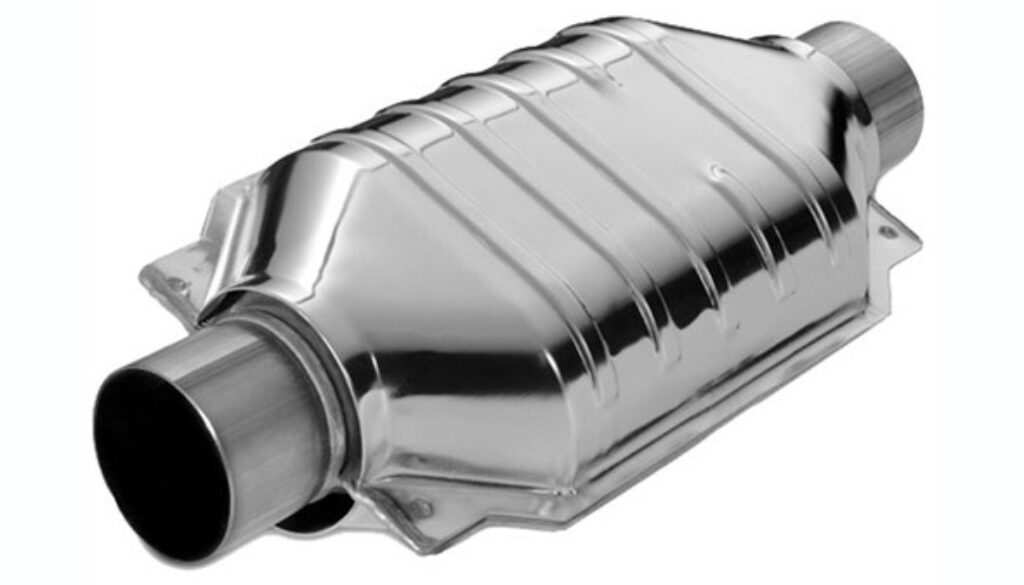
Is our catalytic converter due for replacement?
The catalytic converter is not a part that fails frequently, but it is important to recognize when it is damaged and needs maintenance or replacement. When the time comes to replace a catalytic converter, always rely on a reputable auto repair shop, as the job requires precise, skilled workmanship from qualified mechanics.
About the catalytic converter:
The catalytic converter converts harmful exhaust emissions into safer gases and is an integral part of your vehicle's exhaust system. Typically shaped like a muffler, it is positioned between the car engine and the exhaust tailpipe. It is most commonly located under the front passenger area, where passengers might occasionally feel heat radiating during long trips. In most countries worldwide, catalytic converters are mandatory—in the US, for example, vehicles produced after 1975 must be equipped with one.
During an annual vehicle inspection (MOT/roadworthiness test), the underside of your vehicle is routinely checked for the presence of a catalytic converter. If your car lacks a catalytic converter or if it has been replaced with a straight pipe, the vehicle will likely fail inspection due to emission levels exceeding legal standards.
What is inside a catalytic converter?
Some vehicles are equipped with multiple silencers and exhaust chambers. Exhaust gases pass through the catalytic converter first, then through the resonator, and finally through the rear muffler. Some vehicle manufacturers install a pre-catalytic converter that performs the functions of multiple exhaust chambers.

Inside the converter is a honeycomb structure with fine channels, made from metal and ceramic composites coated with precious metals such as platinum. These micro-channels maximize the contact surface area with exhaust gases. The precious metals trigger chemical reactions that convert toxic pollutants into less harmful compounds for people and the environment. Interestingly, catalytic converters often last the entire lifespan of a vehicle and rarely become fully blocked under normal conditions.
Causes of catalytic converter failure:
There are two main reasons why your catalytic converter might need to be replaced. The first case is when the catalytic converter gets clogged with exhaust gases and begins to hinder proper engine performance. The second reason is wear and tear, after which it stops converting exhaust gases effectively.
A catalytic converter can fail due to poor spark plugs that cause unburned fuel to overheat it, as well as due to poor engine timing and faulty exhaust valve seals.

With catalytic converters, it is impossible to inspect internal issues visually because there are no openings for a direct look. One of the most common ways to check a catalytic converter is to remove it, and then monitor the engine's performance and power. When auto mechanics suspect a clogged catalytic converter, they remove it and immediately check if the vehicle's power output changes.
The easiest way to detect a clogged catalytic converter is when you step on the gas, but the car lacks power. Another symptom of a clogged catalytic converter is increased fuel consumption. If your car stalls at idle, this is another clear sign of a clogged catalytic converter, as it cannot properly expel the built-up exhaust gases.
Take care of your vehicle, and it will handle flawlessly on the road. Maintenance can sometimes be an expense, but we assure you that timely maintenance is always far cheaper than frequent, major car repairs!
For your needs:
If you break down on the road and find yourself stranded, you can always rely on the services of Roadside Assistance Sofia. Our team is fully equipped with specialized tools and towing machinery.